
Why Snellville Needs This Reference
Directory evidence did not vanish when printed volumes faded. It moved into records kept for distinct public purposes. The Gwinnett assessor and clerk document parcels and deeds, Elections maintains voter records, and libraries and archives preserve older community sources. Bringing their access routes and limits together makes it easier to choose the right Snellville source without confusing ownership, registration, and occupancy.
Georgia's official Vital Records hub illustrates how a statewide custodian separates certificates from open directory indexes.
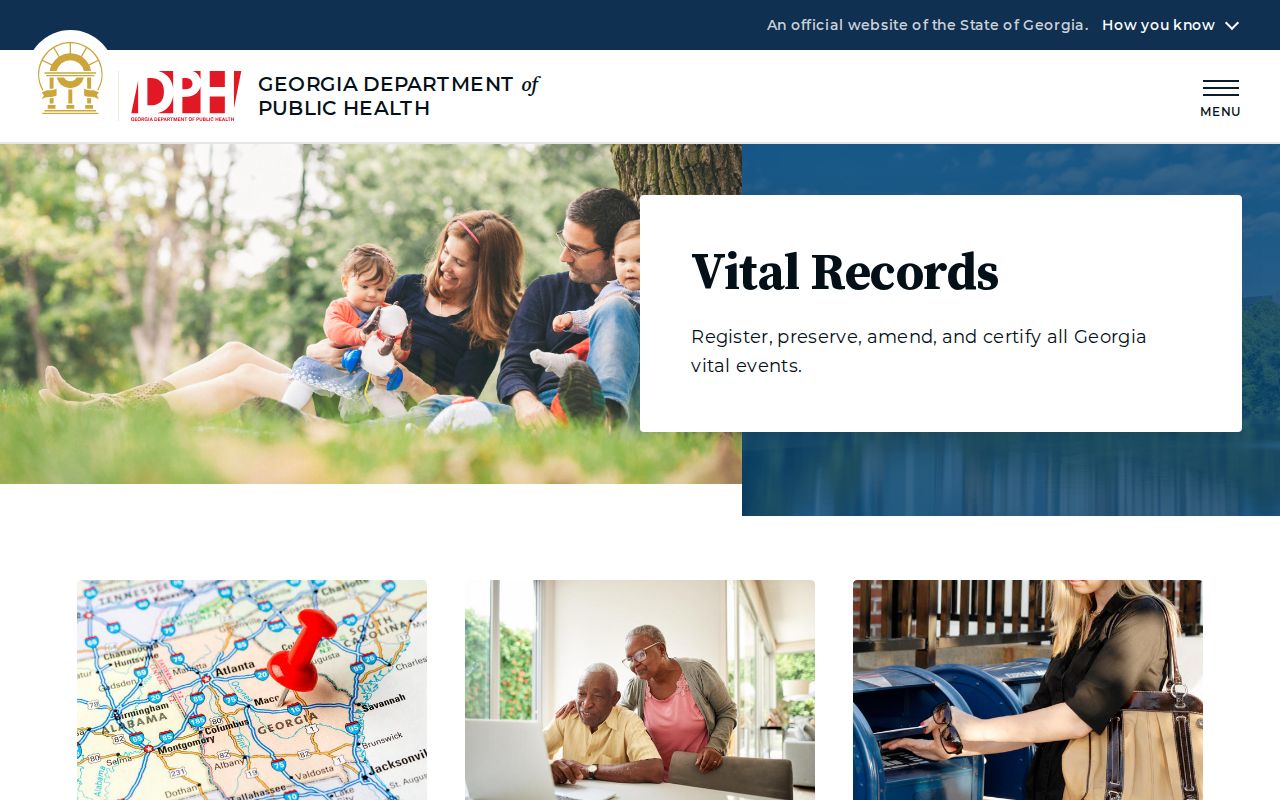
Eligibility and identification rules apply even when a record request begins online.
What the Guide Includes
- Pages by angle: the street directory (address-keyed records), the city directory (the historical shelf), and the resident lookup (one-person searches)
- The rolls and offices: assessor, recorder, elections office, court clerk, vital records, the library's local history collection
- Walkthroughs: how to trace who lives on a street, how to read a directory entry, how to follow a household across the decades
- Access rules: what Georgia law opens, what stays closed, and how a records request works when something is not online
Current certificate costs belong on the state's vital-record fee page.
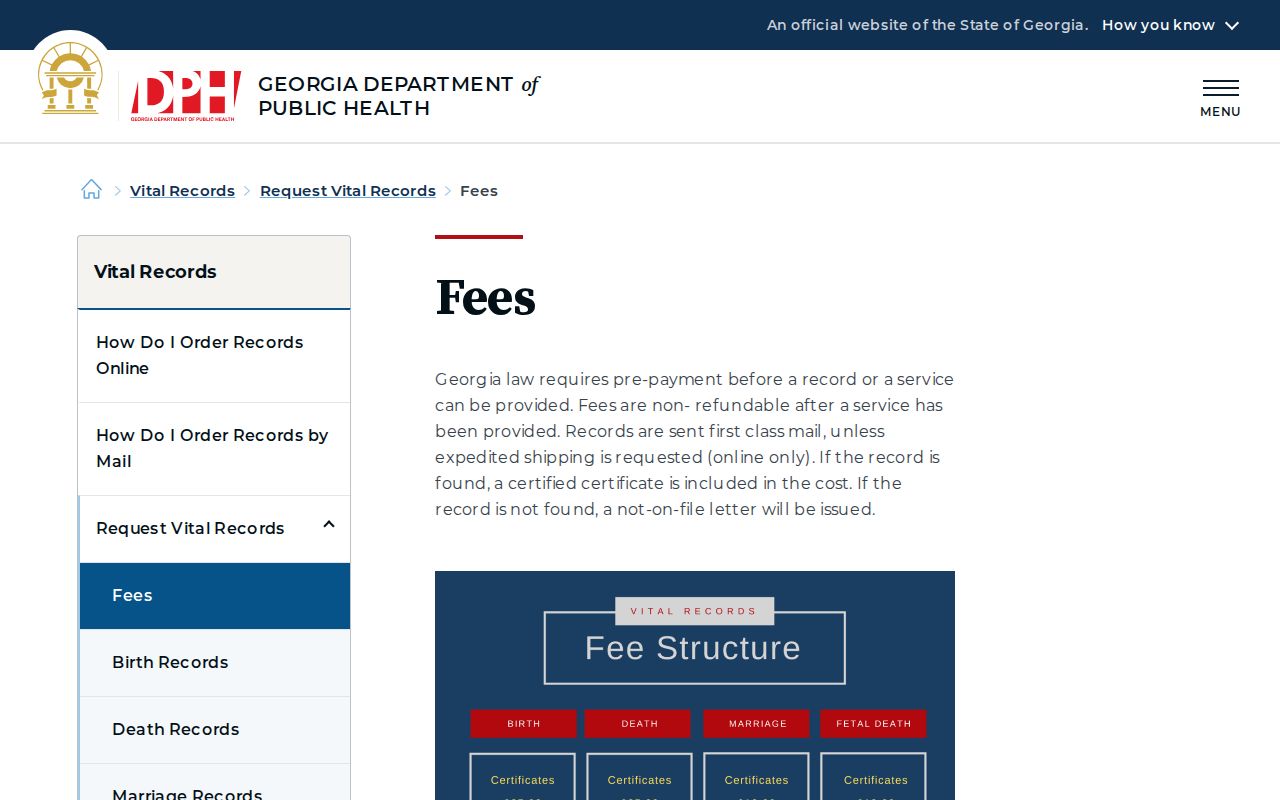
Checking the custodian page prevents an old third-party summary from being mistaken for the current fee.
Limits of This Private Guide
This is a privately run reference site with no connection to any Snellville office, Gwinnett County department, Georgia agency, court, or library. Some hard limits:
- We cannot confirm whether a specific person currently lives in Snellville
- We cannot pull, certify, or change any record on your behalf
- We cannot add anyone to, or remove anyone from, any roll or database
- We cannot give legal advice about a record or a dispute
- We cannot promise that every coverage year, link, or office detail here is current at this moment
Only the custodian office can confirm, certify, or correct a record. Nothing found through this site may be used for credit, employment, tenant, or insurance decisions.
The Georgia Attorney General's open-government guidance is an official starting point for understanding public-record duties.
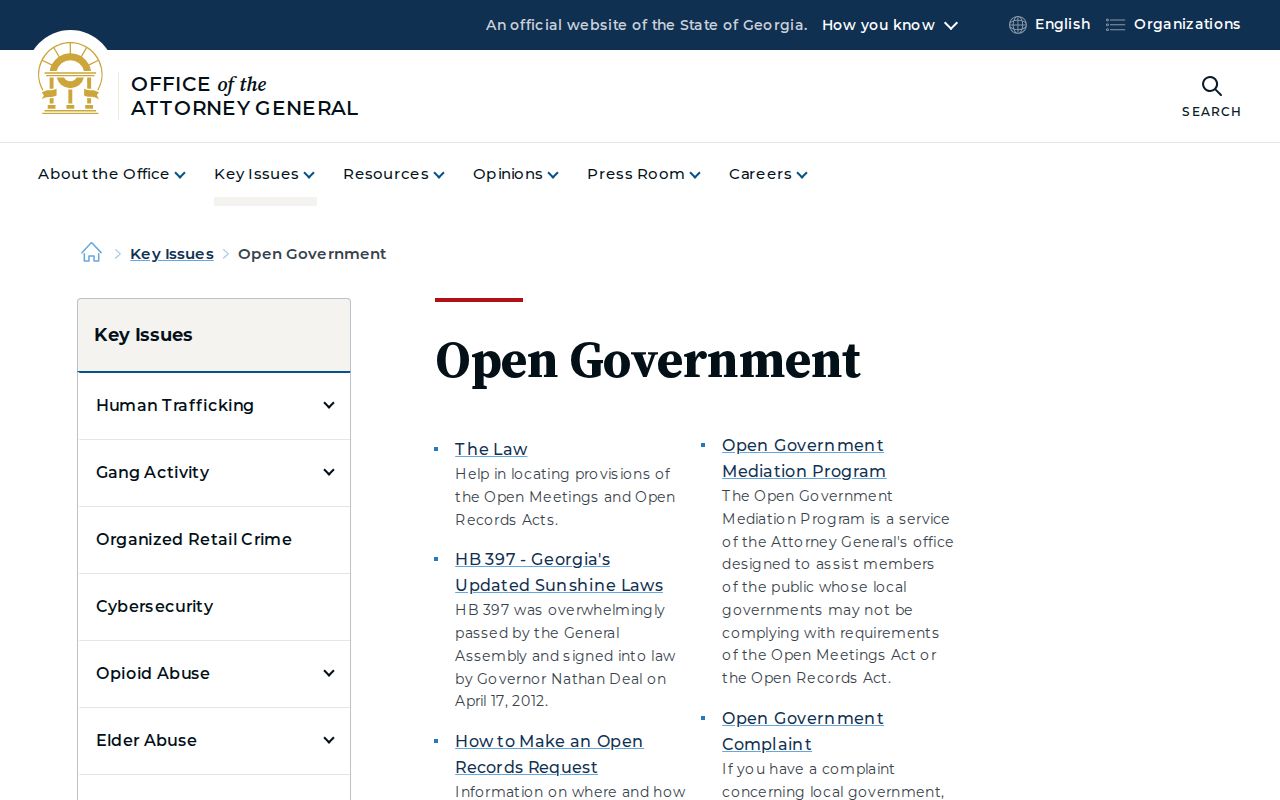
Questions about a specific file still go first to the agency that created or maintains it.